BRUSHY MOUNTAIN PRISON – THE END OF THE LINE
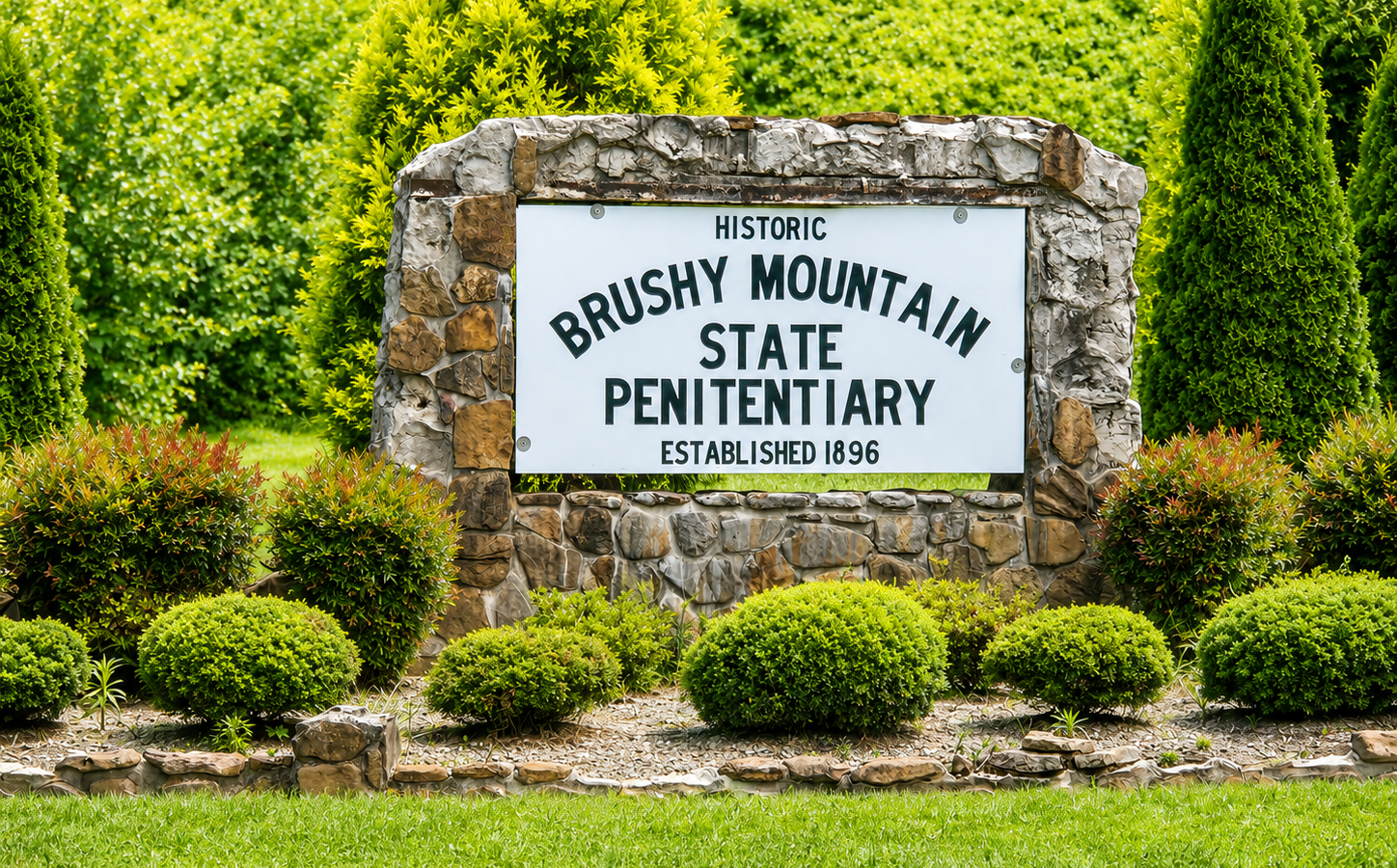
Article by Greg Rickman, Tiffin Ambassador
Haunting. Intriguing. And downright terrifying. Those are just some of the thoughts that came to my mind when I first saw that sign with the words “End of the Line”.
Tucked deep into the dark, jagged ridges of the Cumberland Mountains, there is a place where the Appalachian wind seems to whisper with the ghosts of the past. For over a century, the historic Brushy Mountain State Penitentiary was known as the “end of the line”—a brutal, maximum-security fortress of cold sandstone where Tennessee’s most violent criminals were sent, some with a sentence of over 200 years. For most of them, it was their last stop.
The prisoners called it “hell on earth”. After my visit, I believed them.
Today, the razor wire still guards the tall walls, the silence of solitary confinement hangs heavy in the air, and locals swear the shadowy cellblocks are still haunted by the restless spirits of those who lived and died behind its bars. But if you’re willing to trek off of the beaten path, this terrifying slice of American history has transformed into one of the most uniquely thrilling, spine-chilling, and unforgettable road-trip destinations in the country.
Located in the tiny community of Petros, Tennessee (and I do mean tiny), Brushy Mountain Prison was not built for the usual reasons. Brushy Mountain didn’t just open because the state needed a new prison, it was built as a response to an armed labor uprising known as the Coal Creek War (1891–1892). In the late 1800s, Tennessee had a system where the state leased prison inmates out to private coal mining companies for virtually free labor. But this put free, working-class miners out of jobs. With their livlihoods being stolen, the free miners rebelled, taking up arms and attacking mining camps. The Tennessee Legislature eventually officially abolished convict leasing due to these conflicts. To replace that revenue for the state, the state purchased its own coal mine and built Brushy Mountain on top of it. On January 1, 1896, Brushy Mountain opened its wooden gates to its first 210 inmates.
NO ESCAPE
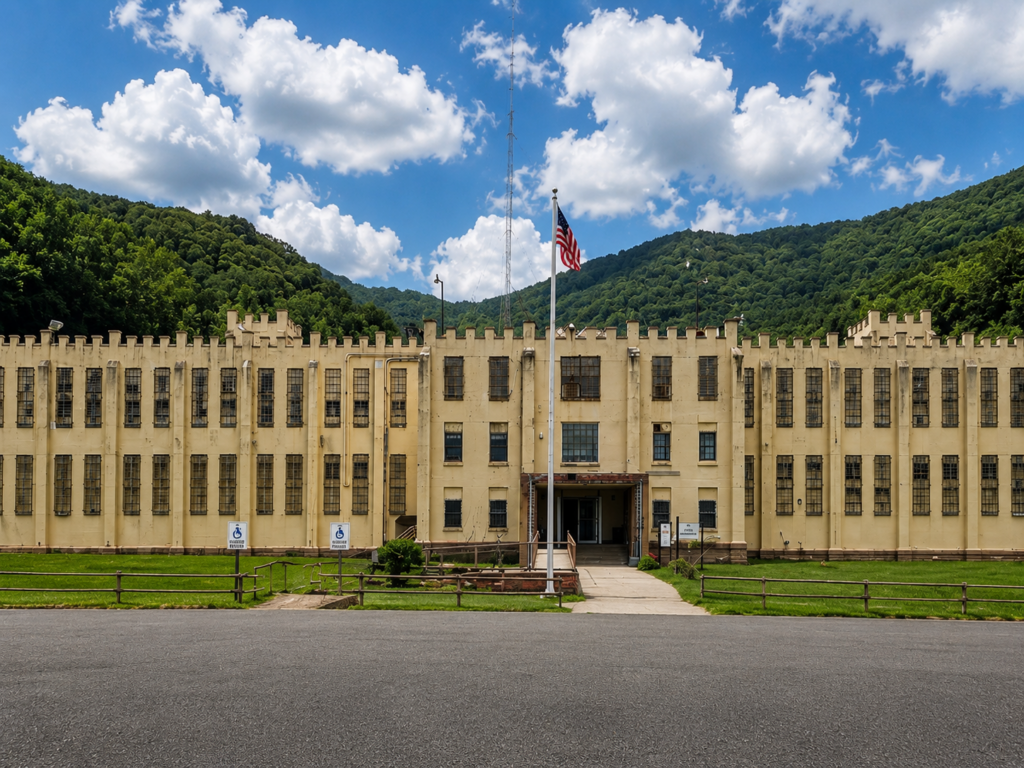
What made Brushy Mountain truly terrifying from day one was its geography. The state chose this location because it was rich in coal and physically inescapable. The prison is surrounded by rugged mountains on every side that rise straight up and are loaded with venomous copperhead snakes. It was built so that the actual entrance to the coal mine was located directly inside the prison walls. Inmates didn’t travel to work; they walked straight out of their barracks and directly down into the pitch-black depths of the mountain. The inmates worked up to 16 hours a day under brutal, sub-human conditions. The coal they mined was loaded onto a railroad spur built entirely by inmate labor and shipped out to fuel the state’s economy. The state continued forcing inmates to mine coal here until 1966. The prison finally closed and all inmates were relocated in 2009.
MOVIES AND FAMOUS PEOPLE
But the prison had its share of fame too.
If the cold stone walls of historic Brushy Mountain State Penitentiary look like something straight out of a horror movie, it is because they practically are. The prison’s chilling, bleak reputation was immortalized in the 1991 cinematic masterpiece ‘The Silence of the Lambs’. FBI trainee Clarice Starling attempts to manipulate the brilliant, cannibalistic serial killer Dr. Hannibal Lecter by offering him a deceptive plea bargain. Help her with the Buffalo Bill case and she could get him transferred to East Tennessee. That’s right, to Brushy Mountain. Who could forget that movie?
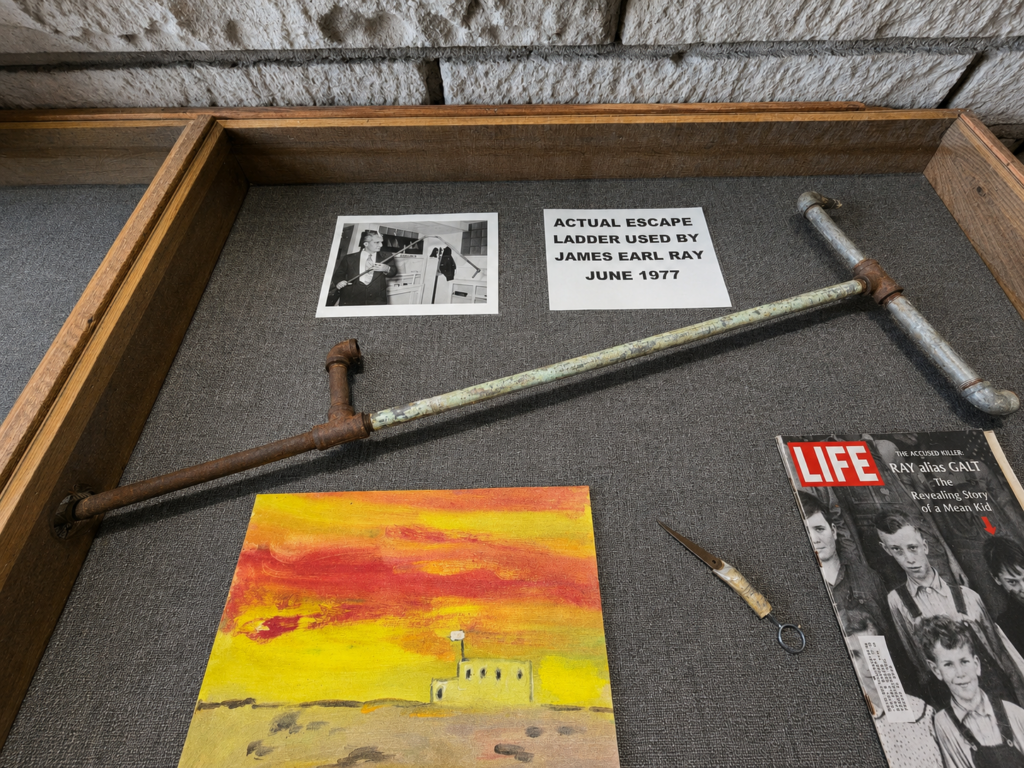
While Hollywood used Brushy Mountain as a fictional threat of dark, isolated confinement, the real-world horrors of the surrounding mountains proved even more terrifying. Fourteen years before that movie hit theaters, the prison yard became ground zero for one of the most intense, desperate manhunts in American history. On a fog-drenched night in June 1977, and with the other inmates staging a fake fight as a distraction, James Earl Ray—the notorious assassin of Dr. Martin Luther King Jr.—scaled the prison’s barbed-wire perimeter fence alongside six other inmates, vanishing into the pitch-black wilderness of the Cumberland Mountains. The state launched a massive, heavily armed dragnet, unleashing aggressive bloodhound teams into the briars and thickets. But the guards knew a secret that the escapees quickly learned the hard way: Brushy Mountain didn’t need towering walls to keep people in—the unforgiving Appalachian terrain was a natural cage.
Just 54 hours later, a search team discovered a mud-covered, scratched, and utterly defeated James Earl Ray crawling out from under a pile of leaves. Despite running for over two days straight, the brutal, vertical mountain landscape had disoriented him so completely that he was captured a mere three miles from the prison gates. Today, visitors walking the empty cellblocks can still feel that exact sense of absolute isolation—a stark reminder of why both Hollywood directors and real-world law enforcement viewed Brushy Mountain as the literal end of the line.
A RENEWAL
Today, through a private state grant, the prison has come back alive. The decaying prison and the land surrounding it were purchased from the state and has been brilliantly redeveloped into a top-tier tourist destination complete with two restaurants, a distillery and a brand-new campground. Instead of hiring standard tour guides, the property allows former prison guards and former inmates to stand in the cell blocks and courtyard. Visitors get to ask questions directly to the people who lived and worked behind those bars. Most of the inmates have passed on but one of those guards, Randy Human, was there during my visit and I spent a whole afternoon listening to his accounts of his guard duty at the prison. Highly entertaining.
THE ONLY LEGAL PRISON DISTILLERY
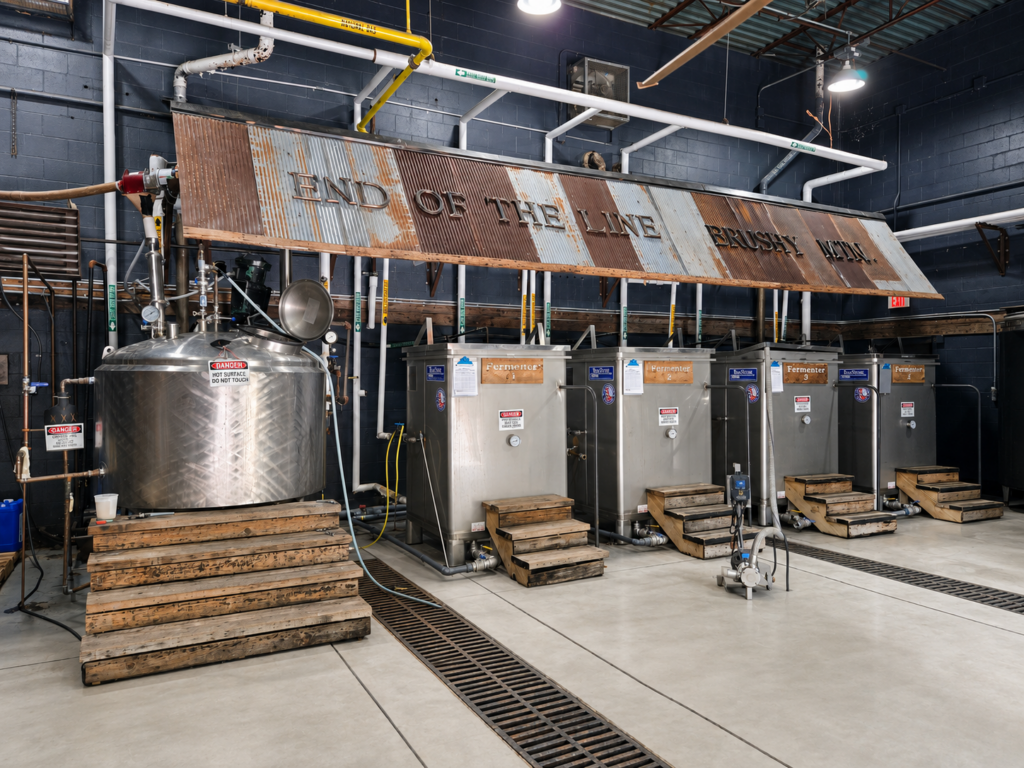
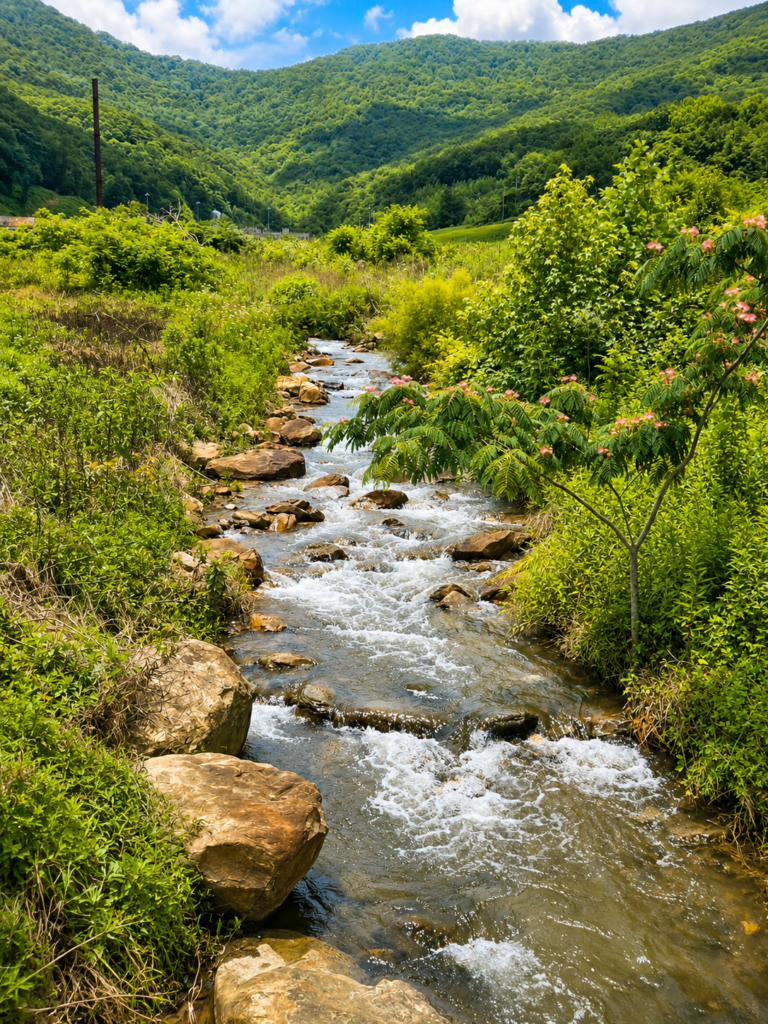
The site features the End of the Line Distillery, making it the only legal distillery operating inside an American prison yard. They use natural mountain spring water from Frozen Head State Park which runs off the prison property to distill “Frozen Head Vodka” and “End of the Line” moonshine. The glass works used there are stunning, making a bottle of their whiskey a highly coveted souvenir for an RV liquor cabinet. The owner gives $1 from every bottle sold back to the Frozen Head State Park in return for the water. The distillery currently produces about 30-40 gallons of premium liquor each day. Visitors can choose between eight different flavors of moonshine, along with the vodka and a double barrel whisky.
One of the old prison buildings that used to serve as a coalhouse was totally remodeled and converted into a restaurant called The Warden’s Table, serving up excellent Southern BBQ right on the grounds. There is also a full menu of other food including custom crafted sandwiches, nachos, burgers and the biggest loaded baked potatoes you’ve ever seen. All at very reasonable prices and absolutely delicious. You can sit in an actual jail cell and eat or peer through the iron grates on the windows from your table. There is also a gift shop and a moonshine tasting area there. Another restaurant, Paroles Restaurant, sits down range from the prison next to the brand-new campground and specializes in pizza and other comfort foods. The food at both of these restaurants was absolutely fantastic and the atmosphere made it even better!
THE CAMPGROUND
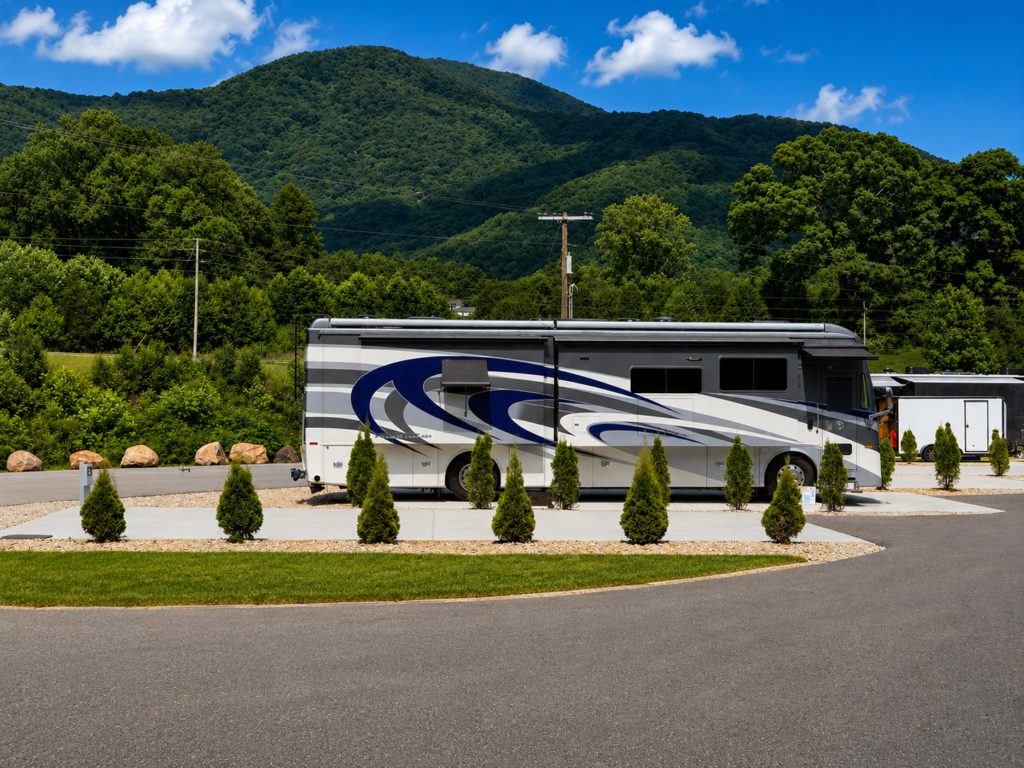
For RV enthusiasts, this was arguably the best addition to the attraction. Recently opened, it features 57 full hookup, level concrete pads that have been meticulously laid out. With ample space in between sites and beautiful quarry rock alongside, it creates a relaxing retreat that blends into the hillside outside the prison. The owner is now in the process of adding 25 cabins on the ridge above the campground, making sure every type of camper has a place to rest. Those cabins should be open and available by the end of 2026 and will have a beautiful view overlooking the campground and the surrounding mountains. The restaurant and showers are a short walk and spotless clean. No detail seems to have been left out. The campground is also a perfect place to stay for the outdoor concerts and other events held at the prison during the seasonal months.
THE TOUR
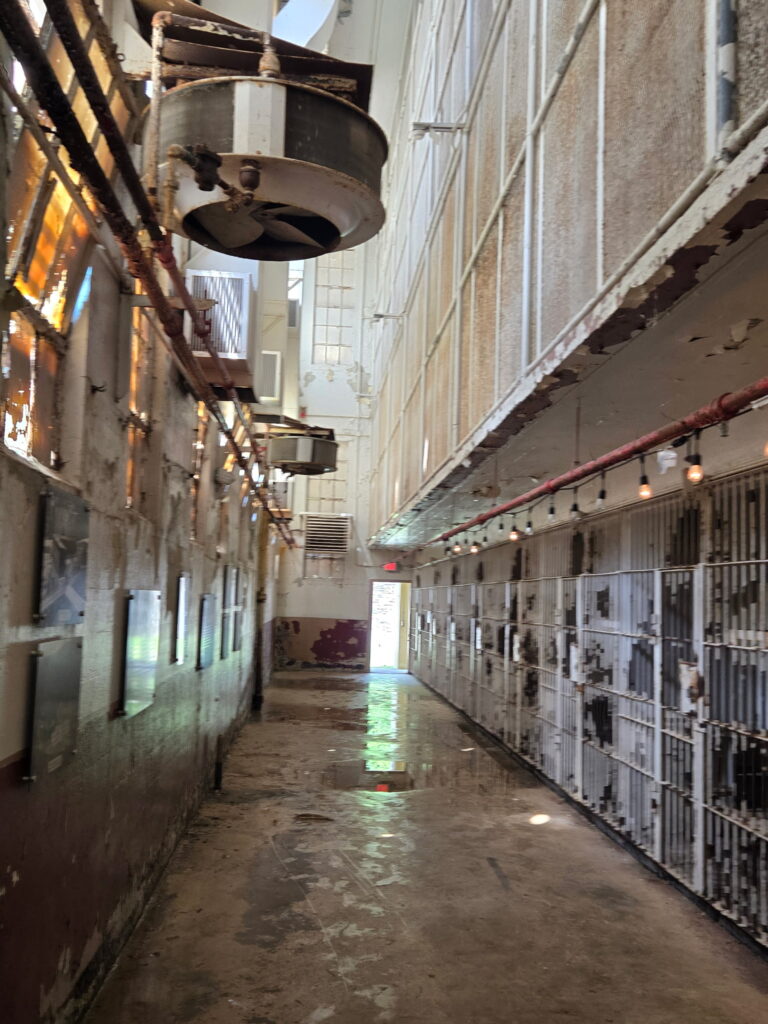
Now this is where it gets scary. From the moment you drive through that razor wired entry gate, guarded by an old sentry tower, you begin to feel the fear those inmates must have felt as they arrived on those buses. Even the most hardened criminal had to shake at the sight. But when you walk up to that monstrous building, the hair on your neck stands up. Its like there is something paranormal going on inside there. It’s like you feel someone behind you, like you are not alone.
Tours begin at the original entrance by the warden’s office and are self-guided using a high-tech tablet with earphones guiding you through the 22 various sections, each explained with the actual voices of the inmates or employees who were there. Visitors can walk through the original cell blocks (A, B, and D blocks), the cafeteria, solitary confinement (“The Hole”), the gymnasium, and the yard. Informational signs or numbered stations tell the history of each section. You can walk down those lonely, isolated and damp corridors and feel your own desperation to escape. Most are squares of rusting metal bars and doors but you can still make out the cell number on each door, including the famous cell #28, which housed James Earl Ray. Spooky doesn’t even begin to cover it! There is also a short movie about the prison and a small museum with artifacts, photos and weapons and includes the actual homemade ladder made from plumbing pipe that Ray used for his brief escape. Tours are typically open daily with seasonal hour shifts and run about $31.00. There is a senior and military discount.
The prison is about 45 minutes northwest of Knoxville and sits off of Tennessee State Road 116. The highway twists and winds through the beautiful countryside and is a little harrowing in a large Class A motorhome, but totally doable. But nothing screams harrowing like the sight when that prison comes into full view. Can you imagine going there in late October, at Halloween?
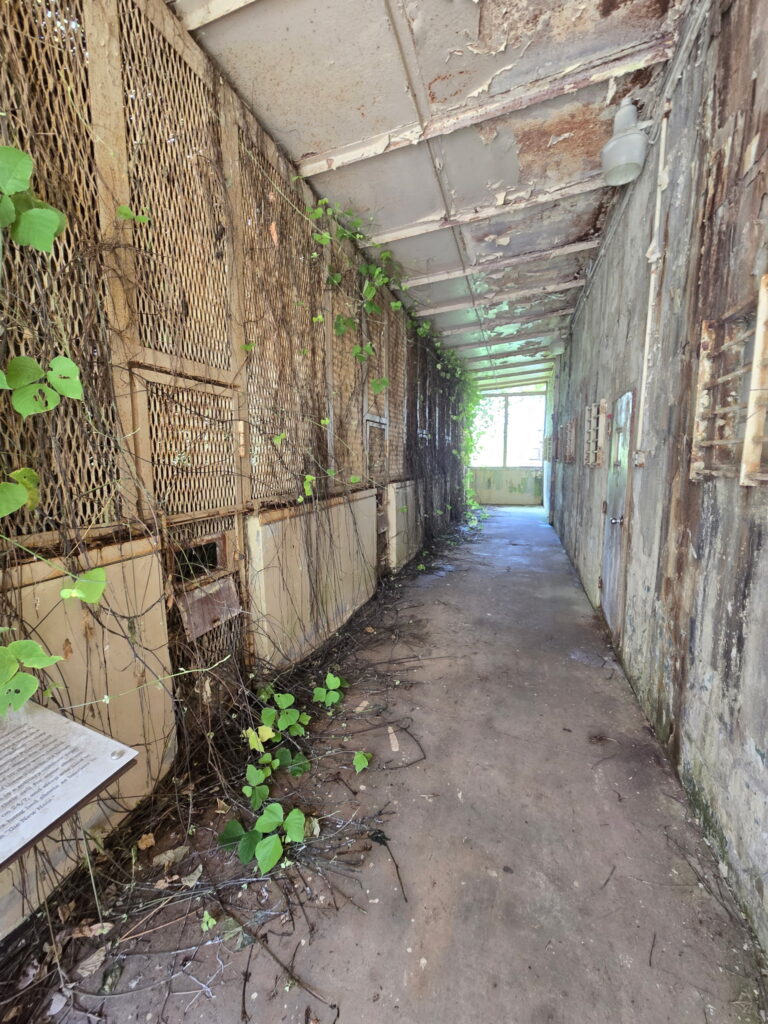
Speaking of paranormal, because of the violent history there and the reported strange sightings within, the prison hosts guided nighttime ghost investigations providing access to the eeriest parts of the compound after dark. After dark? Are you kidding me? Think I’ll have to pass on that. After all, it’s the end of the line!
About the Author:
Greg’s dream was to own a motorhome after his retirement from a long career in law enforcement. He and his wife Tina live in Baneberry, TN part of the year and travel this great country in their Tiffin Phaeton 40IH, enjoying the excitement of exploring new places and meeting new people. Their motto is “If you can’t wear shorts, flip flops and a t-shirt, we ain’t going!”

KEEPING IT CHILL – WHY A PORTABLE FRIDGE IS THE ULTIMATE BASEMENT ADDITION

Tiffin Connect: The Future of RV Internet
Franklin, TN: The Place You Didn’t Plan to Visit—But Won’t Forget
