Truck Stops Through a Different Windshield
Article by Steve Blume, Tiffin Ambassador
The first time I pulled into a truck stop fuel lane, I knew exactly what to do. That wasn’t because I was an experienced RV owner. It was because, years earlier, I had learned to see truck stops through a different windshield.
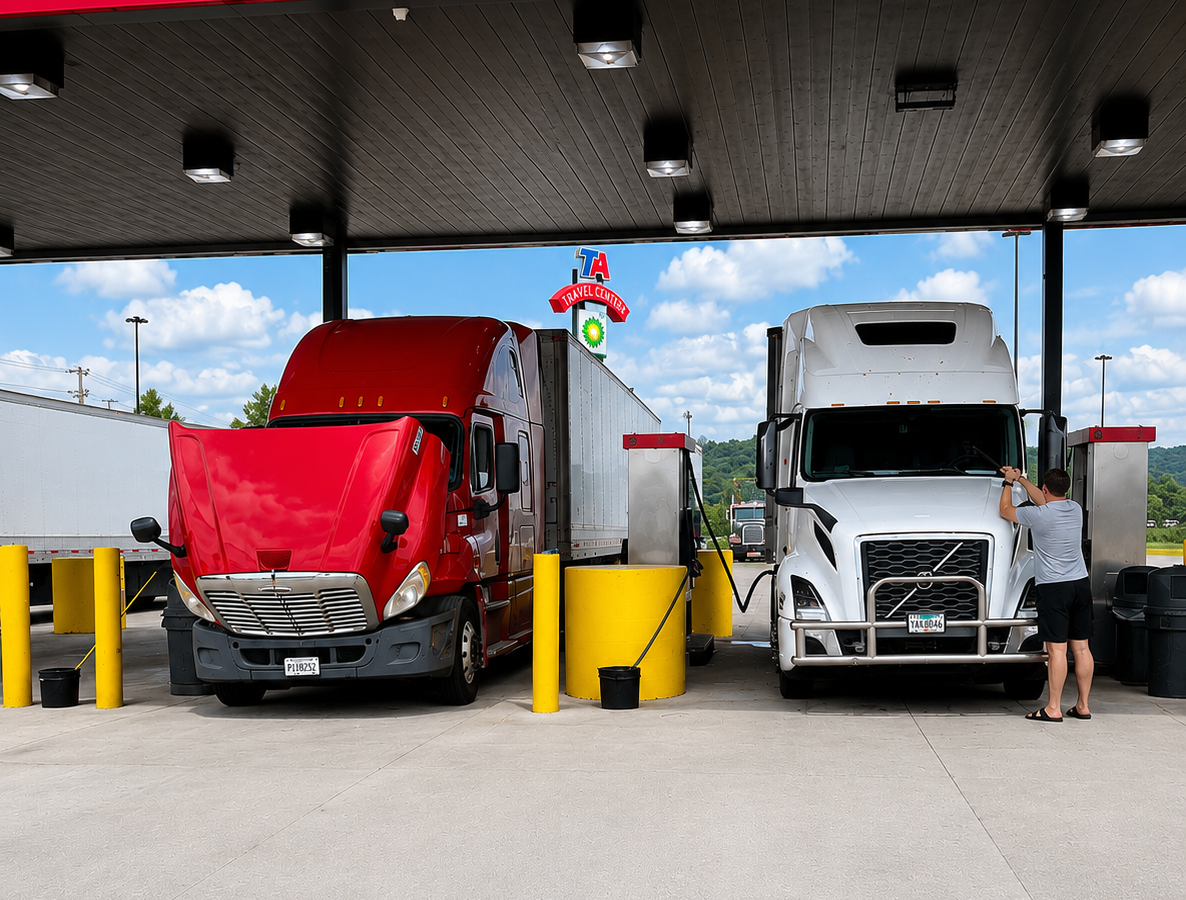
Remember your first time? There’s a good chance you’ve had that moment of hesitation. You pull into a busy truck stop, look at the oversized pumps, watch the trucks moving through the fuel lanes, and wonder if you really belong there. You do. Once you understand how they work, they’re easier, faster, safer, and more convenient than trying to squeeze a forty-foot motorhome into a neighborhood convenience store.
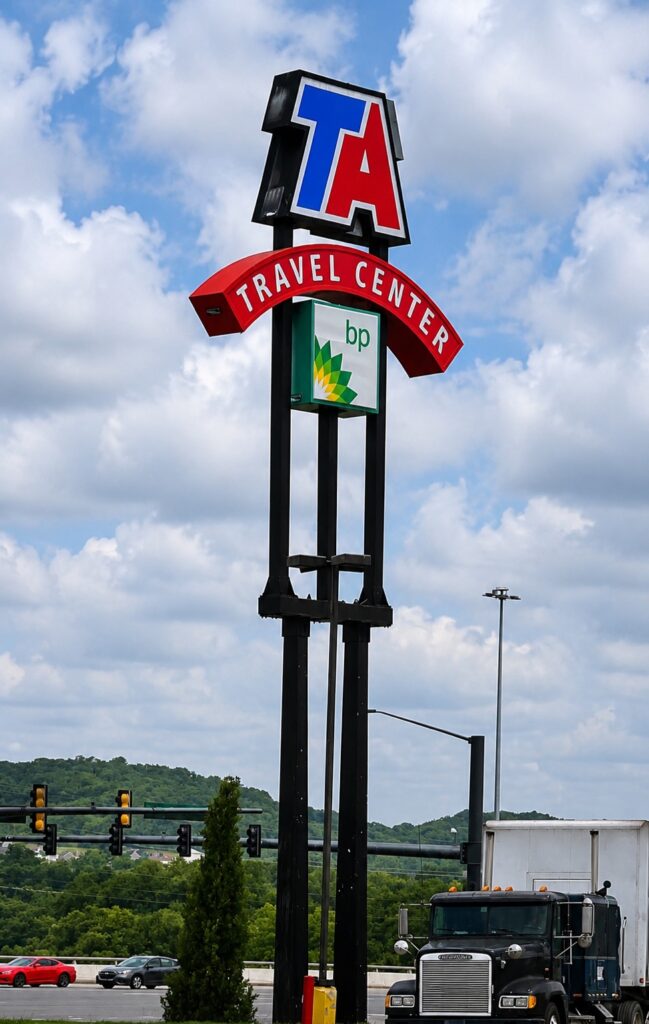
My appreciation for truck stops began long before I ever owned an RV. In 1983, I joined Truckstops of America as Manager of Fuel Marketing at the company’s national headquarters in Nashville. Before I ever sat behind a desk, the company insisted I understand the business from the ground up. I spent my first week riding with an over-the-road truck driver, seeing truck stops from his perspective instead of my own. I paid for showers and waited for my number to be called. I ate greasy Italian sausages from those spinning appliances. We parked when his driving time ran out. Less than polite warehouse workers made our days longer and more difficult. Our desire to get unloaded and on our way to the next stop was met with, “Our warehouse guy had to leave, so we will unload you tomorrow.” The truck stops were a welcome oasis where you could safely park, relax, clean up, and sleep. Those guys have a tough time, so I don’t want to be the reason they have more stress.
I spent the next month working nearly every job at a truck stop, stocking shelves, working the fuel islands, helping with inventory, and even cooking in the restaurant. Surely cooking pancakes helped me be a better Manager of Fuel Marketing. I served these guys with a new appreciation of what they did.
Years later, I owned a small trucking company and found myself drawing on those experiences almost every day from a different perspective.
Today, I stop at those same locations. The trucks are newer. The RVs are certainly nicer. But the basic rhythm of a truck stop hasn’t changed. It’s still a workplace. Understanding that one fact explains almost everything else.
Truck drivers aren’t trying to intimidate anyone. They’re simply doing their jobs. Most are running on schedules measured by both the clock and federal Hours-of-Service regulations. They appreciate people who help keep things moving. That’s why I actually enjoy fueling at truck stops. The lanes are designed for large vehicles. I don’t have to worry about clipping a concrete island or blocking traffic while making a tight turn. Many of us also use fuel discount programs like Open Roads, which only operate through the commercial fuel islands. Add DEF at the pump and the ability to fuel quickly, and it’s easy to understand why truck stops have become the preferred choice for so many diesel motorhome owners.
Those large commercial nozzles often surprise first-time RV owners. Don’t let them. They’re delivering the same diesel fuel you’d receive anywhere else, just much faster. That high flow rate is wonderful when your coach accepts it well, but every fuel system is a little different. If your tank doesn’t seem happy at full flow, simply ease back on the handle. A slightly slower fill is a small price to pay for avoiding problems.
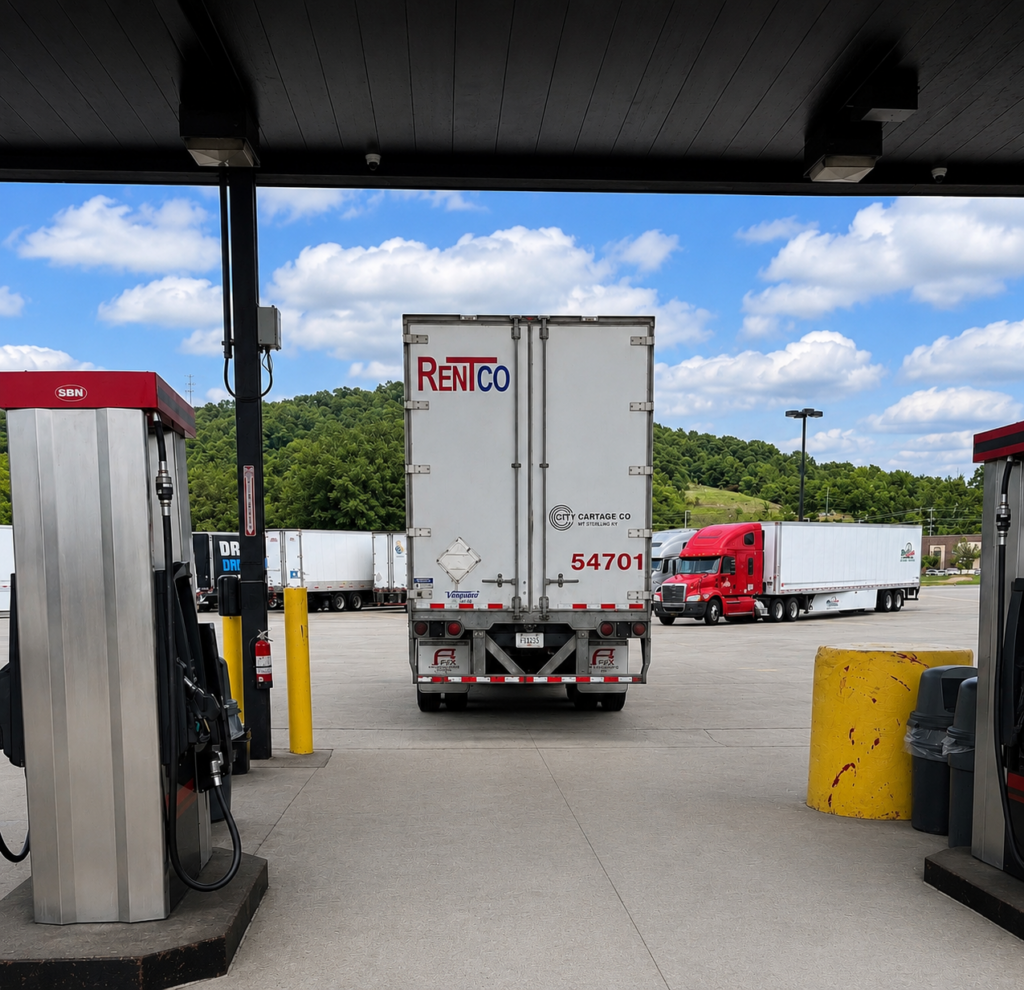
One of the unwritten rules of truck stops is simply being aware of the people around you. Have your payment card ready before you pull up to the pump. Choose your lane confidently. If traffic is light, it’s okay to take a minute to clean your windshield, but keep that window cleaning solution off your Diamond Shield on the front. Truck drivers do exactly the same thing. But if trucks are stacking up behind you, it’s probably time to wrap things up and move along. The fuel island isn’t a parking place. It’s a production line. Immediately after fueling, pull forward to the line so the truck behind you can move forward and begin fueling. If you need to run into the store for travel snacks, either be back before he finishes or pull into a parking spot. Don’t block a driver who is on a tight schedule.
Eventually, you’ll have one of those days when the payment terminal decides it doesn’t like your card. “Please See Cashier.” If there’s a truck behind you, your stress level immediately doubles. Don’t panic. Truck drivers have been there too. When it happens to me, I simply lock eyes with the driver behind me, hold up my payment card, give him a shrug and a friendly wave, then hustle inside. That simple gesture tells the whole story. I’m not buying lunch. I’m dealing with the equipment.
I’ve found that courtesy and communication solve many problems before they ever become problems. The same is true everywhere else around the truck stop. Watch for trucks making wide turns. Keep children and pets close. If you’re stopping for lunch or shopping, move your coach after fueling. Small acts of consideration make life easier for everyone.
Many truckers are also interested in your rig and want to talk.
I’ve now experienced truck stops as an employee, a trucking company owner, and an RV traveler. Every one of those experiences has shaped how I see them today. Just remember that you’re sharing a workplace with people earning a living. Bring a little patience, a little awareness, and a friendly wave.
Before long, you’ll stop seeing truck stops as intimidating. You’ll simply see them through a different windshield.
About the Author:
Steve first lives it, then colorfully writes about it, especially his passion for the RV lifestyle. A retired entrepreneur, he and his wife spend half the year traveling the country in their Tiffin Allegro RED 38 KA and the other half at home in Brentwood, TN with family. Married for almost 50 years, once you meet them he and Nancy are easily remembered – he is 6’4″ and she is 4’7″. His articles on business, personal development, faith, fundraising and running have appeared in numerous newspapers and magazines over the years.

KEEPING IT CHILL – WHY A PORTABLE FRIDGE IS THE ULTIMATE BASEMENT ADDITION
BRUSHY MOUNTAIN PRISON – THE END OF THE LINE

Tiffin Connect: The Future of RV Internet
